
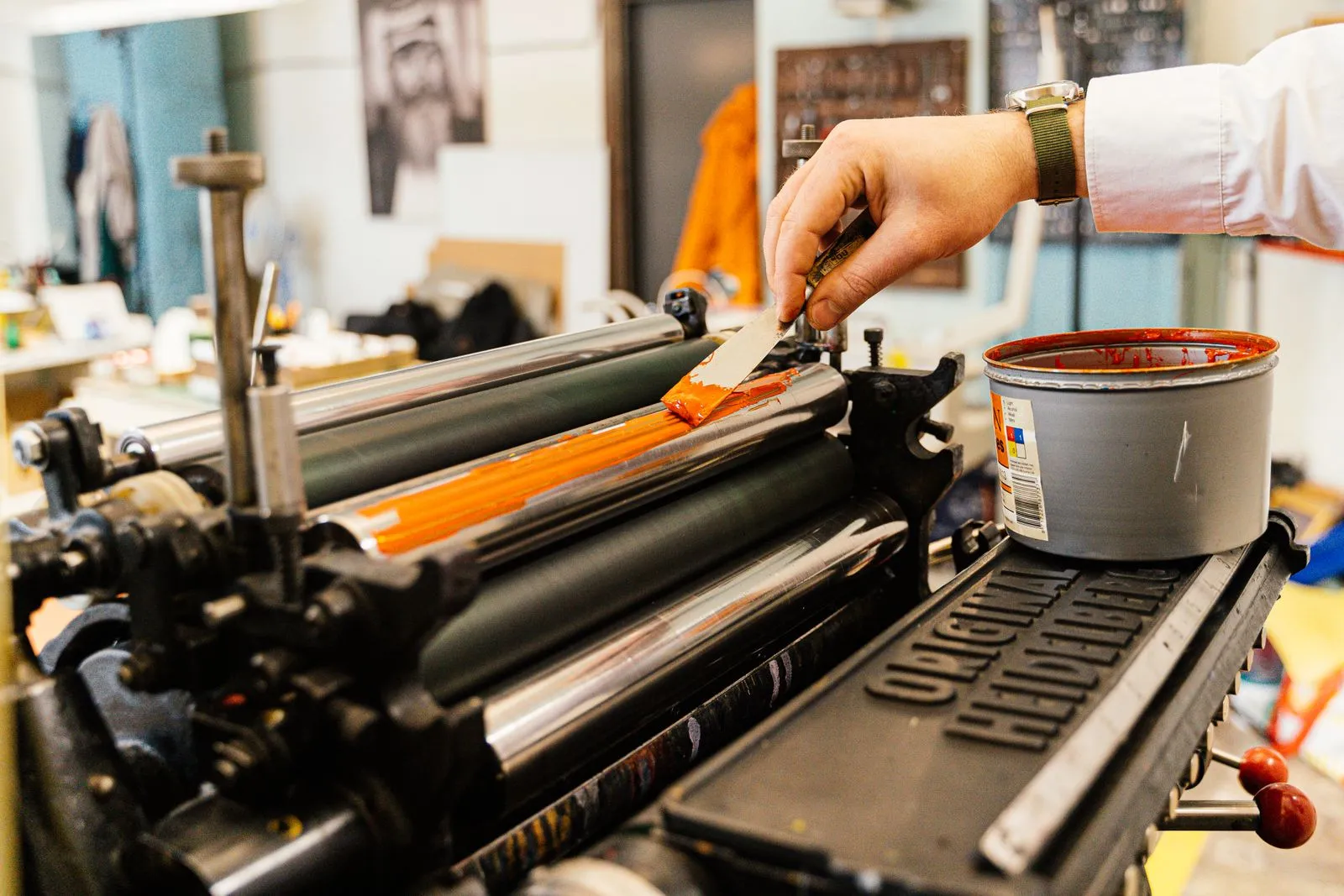
Art prints can stay beautiful for years when you protect them from the conditions that cause fading, warping, and surface damage. A sunny wall, damp room, or careless touch may leave marks that are difficult to reverse. Good care starts with choosing a stable place to display your print, then handling and framing it with materials that suit its needs. These straightforward steps help you enjoy your artwork while reducing avoidable wear.
Control Light Exposure
Direct sunlight is one of the biggest risks to a print. Ultraviolet light can fade inks and paper over time, and ordinary window glass does not block all harmful rays. Choose a wall away from direct sun, or use blinds and curtains to limit exposure during bright parts of the day. Even indirect daylight can contribute to gradual fading, so consider the room’s light throughout the day.
For extra protection, ask a framer about glazing that filters ultraviolet light. It can slow fading, but it cannot make a print completely immune to light damage. Avoid displaying valuable or especially light-sensitive prints under strong spotlights for long periods. If a print is important to you, rotating it out of a bright display area occasionally can reduce its total exposure.
Keep Humidity Steady
Paper responds to moisture in the air. High humidity can encourage mold or cause paper to ripple, while rapid changes in humidity may make it expand and contract. Keep prints away from bathrooms, kitchens with heavy steam, basements, and exterior walls that feel damp or cold. Choose a room with a fairly stable indoor climate rather than a spot beside a humidifier or heating vent.
If you notice condensation, a musty smell, or dampness near the frame, move the artwork to a dry area and address the source of moisture. Do not press a wet or rippled print flat, since that can worsen damage. Let a print dry naturally in a clean, dry space, and consult a paper conservator if it develops mold, staining, or persistent distortion.
Handle Prints Carefully
Before handling an unframed print, wash and dry your hands thoroughly. Oils, lotion, food residue, and moisture can leave stains that are hard to remove. Hold the print by its edges and support the whole sheet with both hands. For larger or delicate works, clean cotton or nitrile gloves can help, provided they fit well and do not catch on the paper.
Work on a clean, dry, flat surface, and keep drinks and tools away from the print. Avoid dragging it across a table or stacking objects on top. If you need to store it temporarily, place it between clean, acid-free sheets and keep it flat in a protective folder or rigid enclosure. Do not use tape, adhesive notes, or clips directly on the artwork.
Choose Suitable Framing
A well-made frame helps shield a print from dust, handling, and accidental contact. Use archival-quality mat board and backing when possible, and make sure the print is attached with reversible methods rather than permanent glue or pressure-sensitive tape. A mat or spacer should keep the artwork from touching the glazing, which can trap moisture and transfer marks to the surface.
Check that the frame is sealed well enough to limit dust but not so tightly that it traps moisture. Use a sturdy hanging point, and avoid placing the frame where it may be bumped or exposed to temperature swings. If you are unsure about the paper, ink, or best mounting method, ask a professional framer for options that can be removed safely later.
Protecting art prints comes down to a few consistent choices: limit strong light, avoid damp or unstable rooms, handle paper by its edges, and use framing materials that keep the artwork safe without permanently attaching it. Check displayed prints periodically for fading, rippling, or moisture. If you need help choosing a frame, Hudson Print Studio can help you consider suitable options.